Survival Frog Solo Bivy 1-Person Tent Review: Ultralight Shelter for Backpackers
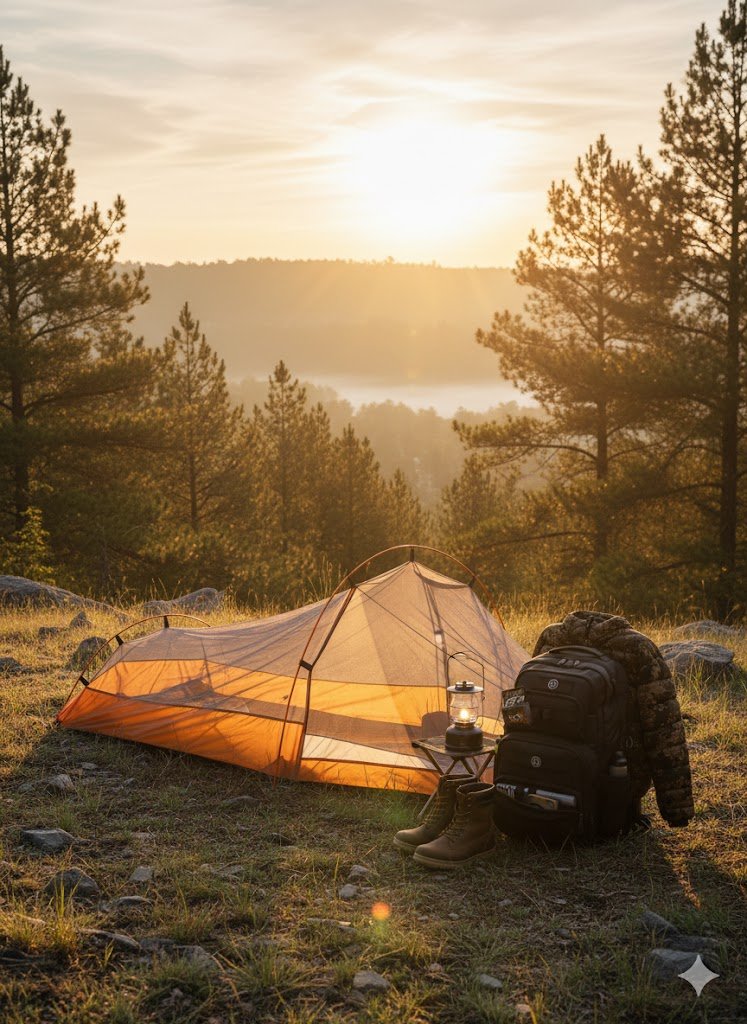
When Every Ounce Matters
My brother boondocks. Not at established campsites with fire rings and picnic tables - he packs a backpack and hikes until he finds a spot that feels right. Sometimes that's two miles in, sometimes it's ten. When you're carrying your entire camp on your back, the difference between a 5-pound tent and a 2-pound tent isn't trivial - it's the difference between enjoying the hike and suffering through it.
The Survival Frog Solo Bivy 1-Person Tent is what he carries when weight matters more than comfort. At around 2.5 pounds packed, it's light enough for serious backpacking but tough enough for real backcountry conditions.
Check Current Price - Survival Frog Solo Bivy Tent
Why Ultralight Tents Are Different
The Weight Reality
Car camping? You can bring a 7-pound tent, folding chairs, a cooler, and a camp kitchen. Nobody cares.
Backpacking? Every pound you add to your pack is a pound you're carrying for miles. After the first hour, that extra weight isn't theoretical - it's real pain in your shoulders, knees, and back.
The Solo Bivy weighs approximately 2.5 pounds. That's:
- Your sleeping bag: 2-3 pounds
- Your sleeping pad: 1 pound
- Your tent: 2.5 pounds
- Total sleep system: ~6 pounds
Compare that to a traditional 2-person tent (5-7 pounds) plus the sleeping gear, and you're looking at 9-11 pounds just for sleeping. That difference matters when you're five miles from the trailhead.
Single-Wall Design
Most backpacking tents are double-wall (inner tent + rainfly). The Solo Bivy is single-wall construction - one layer of waterproof/breathable fabric serves as both tent body and rain protection.
Advantages:
- Lighter weight (no separate rainfly)
- Faster setup (fewer components)
- Smaller packed size
Trade-off:
- More condensation in humid conditions
- Less interior space than double-wall designs
For solo backpacking to fishing spots or boondocking, the weight savings beat the condensation issue.
Bivy-Style vs. Traditional Tent
A "bivy" (short for bivouac) is basically a waterproof sleeping bag cover with minimal structure. The Solo Bivy is technically a hybrid - it has poles for head room but keeps the low-profile bivy footprint.
This means:
- You can sit up at the head end (not fully, but enough to change clothes)
- The low profile handles wind better than tall tents
- The small footprint fits on marginal campsites (ledges, clearings, rocky spots)
My brother uses this when he's hiking to remote fishing spots - finds a clearing near a creek, sets up in 5 minutes, and he's got shelter for the night.
Who This Tent Is For
Backpack Fishermen
If you're hiking 3+ miles to reach a backcountry lake or stream, you're not hauling a 6-pound tent. The Solo Bivy gets you shelter without destroying your shoulders on the approach.
Boondockers and Wanderers
People who don't use established campsites. You hike until you find a spot that feels right, set up camp, and move on in the morning. This tent packs small enough to fit in a backpack with room for 2-3 days of supplies.
Kayak Campers
Limited storage in a kayak means every piece of gear has to justify its weight and volume. At 2.5 pounds packed into a stuff sack the size of a football, this tent earns its spot.
Motorcycle Campers
No truck bed, no roof rack - just saddlebags or a backpack. Ultralight gear isn't optional, it's required. This tent works.
Not For:
- People who want room to hang out inside during rain
- Campers over 6'2" (it's tight for tall folks)
- Anyone camping with a partner (this is strictly solo)
- Car campers who don't care about weight
Real Talk: What Works and What Doesn't
What I Like (Based on My Brother's Experience):
The setup is genuinely fast. Two poles, stake the corners, you're done. In daylight, 5 minutes. In the dark with a headlamp, maybe 10 minutes. When you're setting up at dusk after hiking all day, that speed matters.
The packed size is impressive. Rolled up in its stuff sack, it's about the size of a Nalgene water bottle. That leaves room in your pack for actual gear instead of just shelter.
Ventilation is decent for a single-wall tent. The head-end has mesh panels that let moisture out while keeping bugs out. You'll still get some condensation on cold mornings, but it's manageable.
The price at $129.97 is fair for a specialty backpacking tent. You can find cheaper options, but they're usually heavier or use worse materials. You can spend $400+ on premium ultralight tents, but for most weekend backpackers, this hits the value sweet spot.
What Could Be Better:
The floor space is tight. You're sleeping, not living. If you're taller than 6 feet or broader than average, try before you buy if possible. This tent is sized for efficient weight, not comfort.
Single-wall tents collect condensation. On humid mornings or in rain, you'll get moisture on the inside of the tent from your breath and body heat. Pack a small towel to wipe down the interior before packing.
No vestibule space. Some backpacking tents have a covered area outside the sleeping compartment for boots and gear. This doesn't. Your pack stays outside (covered) or comes inside with you (cramped).
The poles are basic aluminum. They work, but they're not the fancy carbon fiber or DAC poles on premium tents. Handle with care, carry a tent pole repair sleeve as backup.
Check Current Price - Survival Frog Solo Bivy Tent
Setup Tips from Actual Use
Site Selection Matters More with Bivy Tents
With a big tent, you can camp on rougher ground. With a low-profile bivy, you feel every rock and root. Take an extra 5 minutes to find level, clear ground.
Look for:
- Natural drainage (don't camp in a depression that collects water)
- Wind protection (trees, rocks, terrain features)
- Morning sun (helps dry out condensation faster)
Stake It Properly
The low profile means wind catches it differently than tall tents. Stake all four corners tight, even if the weather looks calm. Mountain weather changes fast.
Condensation Management
Open the vents at both ends even if it's cold. Yes, you'll lose some warmth, but preventing condensation beats dealing with a wet tent interior at 6 AM.
If you wake up to heavy condensation, wipe down the interior with a bandana or small towel before packing. Packing a wet tent means you're carrying extra water weight all day.
Bivy Tent vs. Cot Tent (The Two-Tent System)
My brother actually owns two tents: this Solo Bivy for backpacking, and a cot tent for car camping.
When He Uses the Solo Bivy:
- Backpacking to remote fishing spots
- Minimalist trips where weight matters
- Situations where he's hiking in and doesn't know exact camp location
When He Uses the Cot Tent:
- Car camping at established sites
- Multi-day base camps
- When comfort matters more than weight
The point: This isn't an "only tent you'll ever need" solution. It's a specialized tool for when lightweight and packability are the priority.
Weight Breakdown and Pack Considerations
Approximate Packed Weight:
- Tent body and poles: ~2.5 lbs
- Stakes: ~0.25 lbs
- Stuff sack: negligible
Packed Size:
- Length: ~16 inches
- Diameter: ~5 inches
- Fits easily in or strapped to a 40-60L backpack
In Context of Full Pack Weight:
For a 2-3 day backpacking trip:
- Sleeping bag: 2-3 lbs
- Sleeping pad: 1 lb
- Tent: 2.5 lbs
- Food and water: 6-10 lbs
- Clothing and gear: 5-8 lbs
- Backpack itself: 2-4 lbs
Total: 18-28 lbs base weight
That's doable for most people in decent shape. If your tent weighed 6-7 pounds instead, you're looking at 22-32 lbs, which crosses the threshold from "manageable" to "this sucks."
Material and Durability Notes
Fabric:
- Ripstop nylon with waterproof coating
- Not silnylon (the premium ultralight material)
- Durable enough for regular use, not bombproof
Expected Lifespan:
- 50-100 nights of use before fabric degradation becomes noticeable
- More if you're careful with setup/takedown
- Less if you're rough with gear or camp in harsh conditions
Seam Sealing: Factory seams are sealed, but it's smart to add extra seam sealer after purchase and re-apply every season or two. Weight penalty is negligible, waterproofing improvement is significant.
Technical Specs
Dimensions:
- Floor length: ~90 inches (7.5 feet)
- Floor width: ~32 inches at widest point
- Peak height: ~36 inches (at head end)
- Tapered design (narrower at foot end)
Capacity: 1 person + minimal gear inside
Packed Weight: ~2.5 lbs (tent + poles + stakes)
Packed Size: Approximately 16" x 5" diameter
Materials:
- Body: Ripstop nylon with waterproof coating
- Poles: Aluminum (standard backpacking poles)
- Floor: Reinforced waterproof fabric
Seasons: 3-season (spring, summer, fall - not rated for winter camping)
Waterproof Rating: Adequate for normal rain, not tested for extreme downpours
Setup: Freestanding with stakes for stability
Price: $129.97
Bottom Line
The Survival Frog Solo Bivy 1-Person Tent is purpose-built gear for a specific use case: solo backpacking where weight and pack size matter more than comfort and space.
If you're car camping, buy a bigger tent. If you're camping with a partner, buy a 2-person tent. If you want room to hang out during a rainy afternoon, this isn't it.
But if you're hiking to backcountry fishing spots, boondocking through wilderness areas, or minimalist camping where every ounce counts, this tent delivers exactly what you need: lightweight, packable shelter that sets up fast and handles typical backcountry weather.
At $129.97, it's priced where serious backpackers can justify the purchase without eating ramen for a month, and the quality is good enough that it'll last multiple seasons of regular use.
My brother's been using this style of tent for years. The fact that he keeps buying similar designs (instead of switching to heavier "comfort" tents or trying to go even more ultralight with tarps) tells you something: for solo backpacking trips, this weight-to-functionality ratio is about right.
Get the Solo Bivy Tent - Survival Frog
Full disclosure: I earn a commission if you purchase through the links above, at no extra cost to you. This review is based on my brother's actual backpacking experience and my own understanding of ultralight camping gear from years of outdoor trips in Mississippi, Alabama, and surrounding wilderness areas.